DZtravelguide

Discover Algeria’s UNESCO World Heritage wonders

EN

UNESCO World Heritage Sites in Algeria

🏘️ The Casbah – The Historic Heart and Soul of Algiers
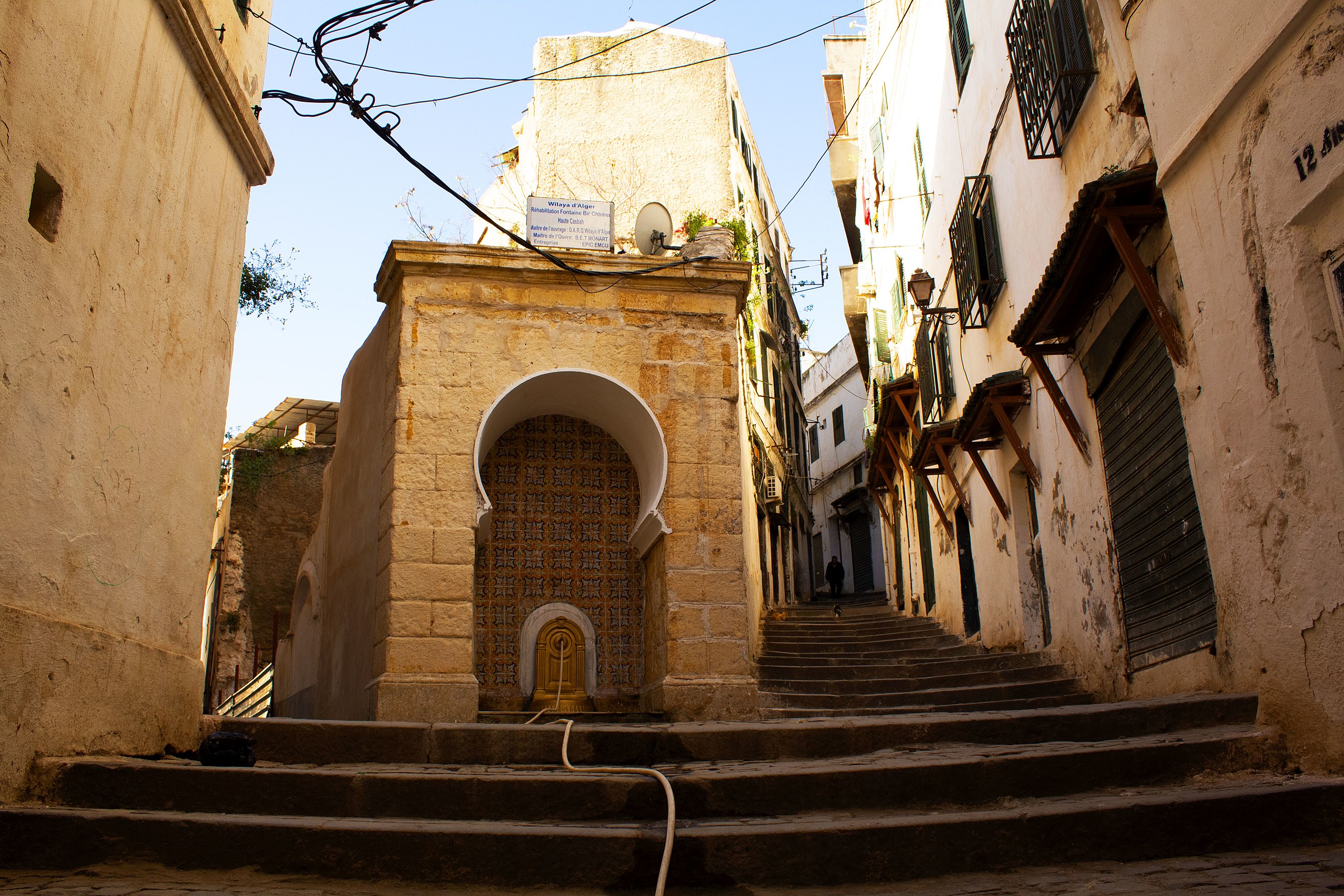
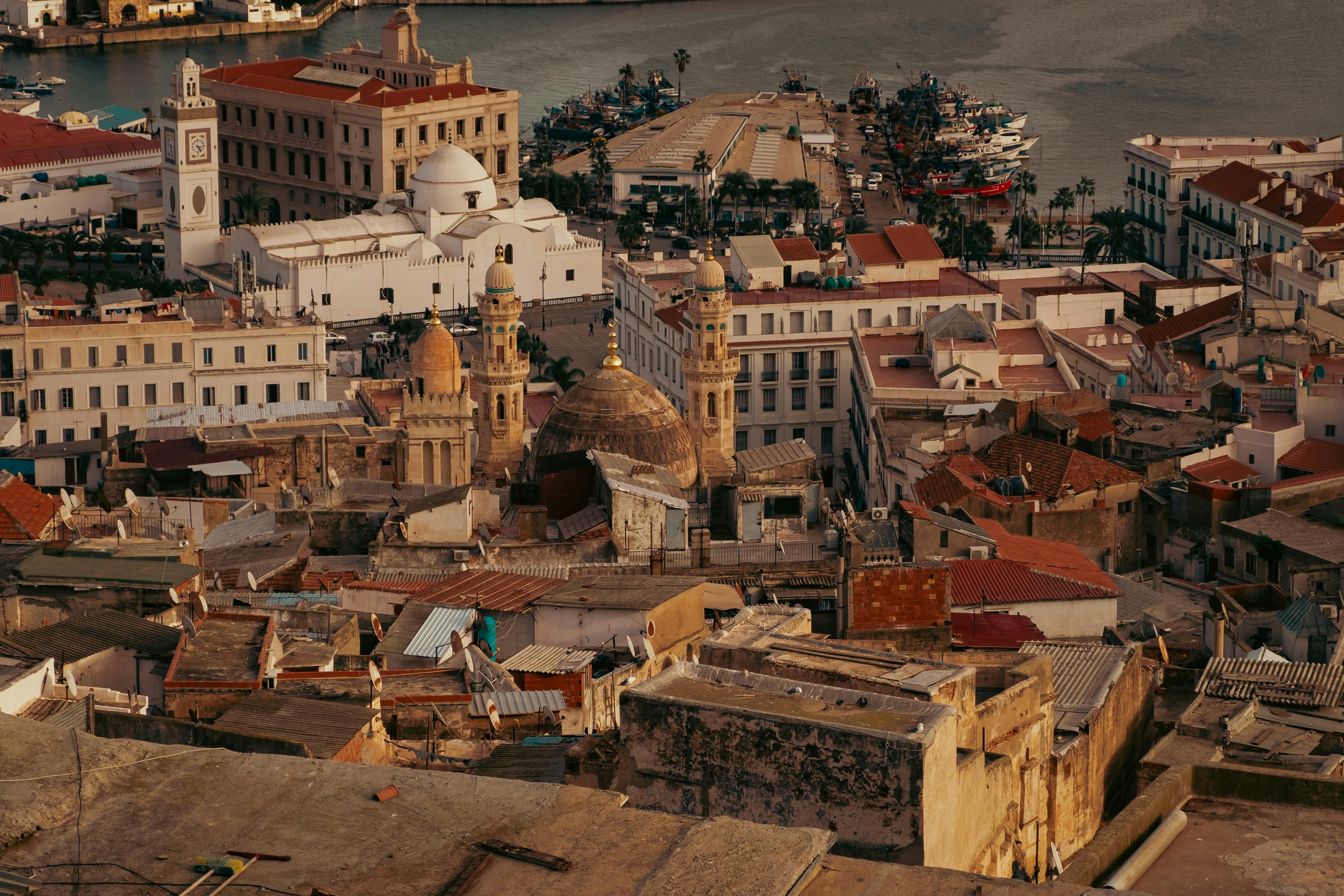
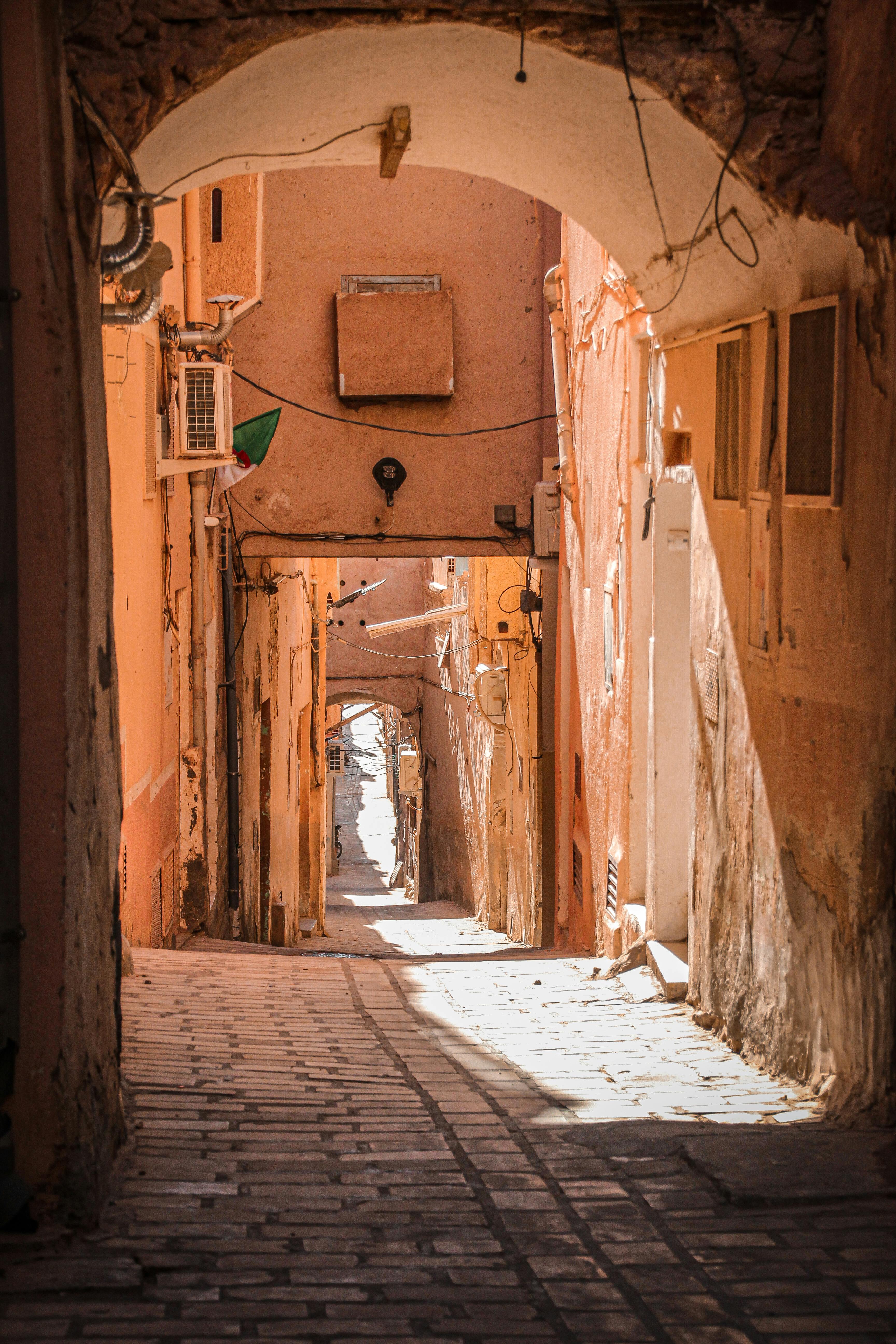
Entrance of the Casbah of Algiers, showcasing Ottoman and traditional Algerian architecture Panoramic view of the Casbah with narrow streets and historical houses Images from Wikipedia – CC BY-SA 4.0

The Casbah of Algiers is one of the oldest and most iconic historical districts in the Algerian capital and one of the few remaining living Islamic medinas in North Africa. Built on the ruins of the ancient Roman city of Icosium, it served for centuries as a political, cultural, and social hub, particularly during the Ottoman era. It has been listed as a UNESCO World Heritage Site since 1992.

🏛️ Historical Overview

The Casbah was established in the 16th century under Ottoman rule. Its dense urban structure, winding alleys, and interlinked houses reflect a unique social and architectural organization. During the Algerian Revolution, it played a key role as a center of resistance.

🏠 Iconic Monuments

🎭 Living Cultural Heritage

The Casbah is not just an archaeological site — it’s a living neighborhood preserving traditional crafts, music, art, and daily life. It remains a source of inspiration for artists, writers, and filmmakers.

🕊️ During the Algerian Revolution

During the War of Independence (1954–1962), the Casbah served as a strategic refuge for freedom fighters. This historical role is immortalized in the film The Battle of Algiers.

ℹ️ Visitor Information

Discover the historic soul of Algeria with DZtravelguide.

🏛️ Timgad – The Pompeii of North Africa
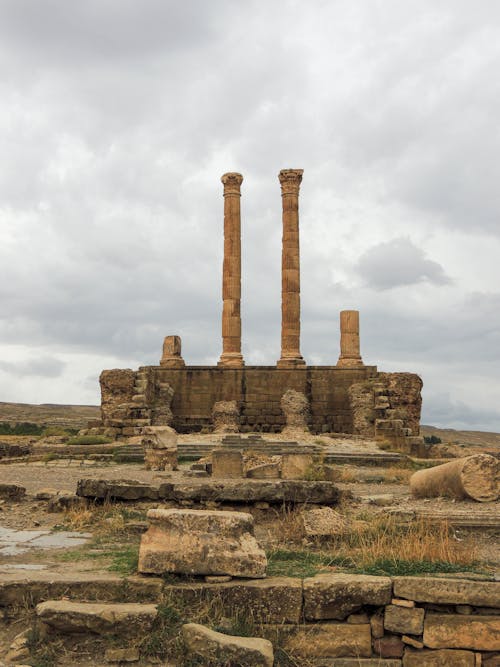
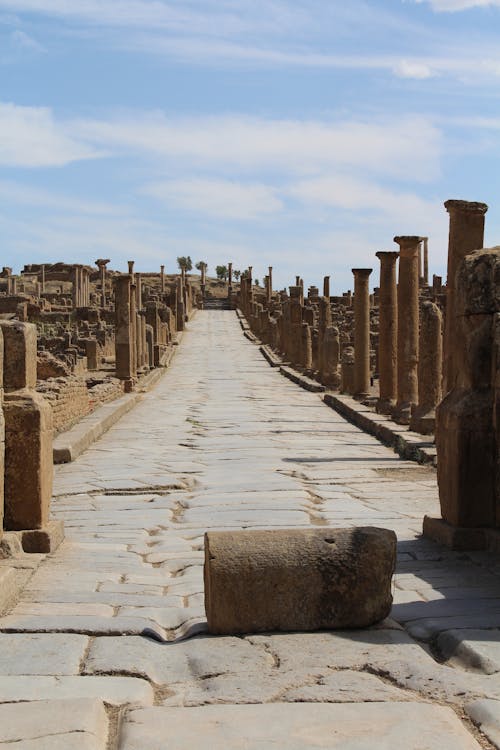
Roman columns of Timgad, Algeria’s best-preserved ancient city The Arch of Trajan, a monumental Roman gate in Timgad

Timgad, founded by Emperor Trajan in the year 100, is an ancient Roman city located in the Aures Mountains, in Batna province. Originally a military colony, it quickly grew into a thriving urban center. It has been a UNESCO World Heritage Site since 1982.

🏗️ Roman Urban Planning

Timgad perfectly illustrates the Roman grid city plan, organized around the Cardo and Decumanus. This layout demonstrates the Roman mastery of city planning and administration.

🏺 Main Monuments

🏜️ A Fascinating Rediscovery

Buried under sand for centuries, Timgad was rediscovered in the 19th century. Today, it stands as one of the best-preserved Roman cities in the world.

ℹ️ Visitor Tips

Experience the grandeur of Ancient Rome in Algeria with DZtravelguide.
🏛️ Djemila – The Roman Jewel in Algeria

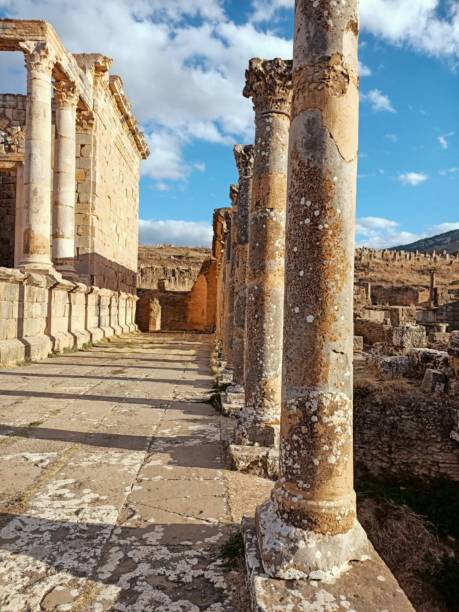
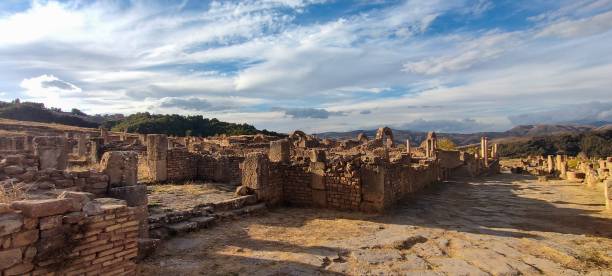
Ancient Roman ruins in Djemila, Algeria with Mediterranean surroundings Roman forum and residential ruins of Djemila, Algeria

The ancient Djemila ruins, originally known as Cuicul, lie in the northeastern region of Algeria. Located in a picturesque mountainous area, this Roman city once thrived in the fertile plains of Ifriqiya. Declared a UNESCO World Heritage Site in 1982, Djemila represents an exceptionally well-preserved Roman town in North Africa.

🏛️ Historical Overview

Djemila was a Roman settlement built during the early first millennium on a raised plateau. Its architecture blends military, civic, and residential functions, demonstrating advanced Roman town planning. Djemila prospered with a network of roads, squares, and monumental buildings serving both administrative and religious purposes.

🏺 Key Monuments

🌍 Why Visit Djemila?

Visiting Djemila offers a rare chance to walk through a fully preserved Roman city in Algeria. You can explore theaters, temples, and baths while imagining the daily life of Roman citizens in North Africa.

ℹ️ Visitor Information

Explore Algeria’s Roman heritage with DZtravelguide. Djemila is a must-see for history lovers.

🖼️ Tassili n’Ajjer – Open-Air Prehistoric Museum in Algeria

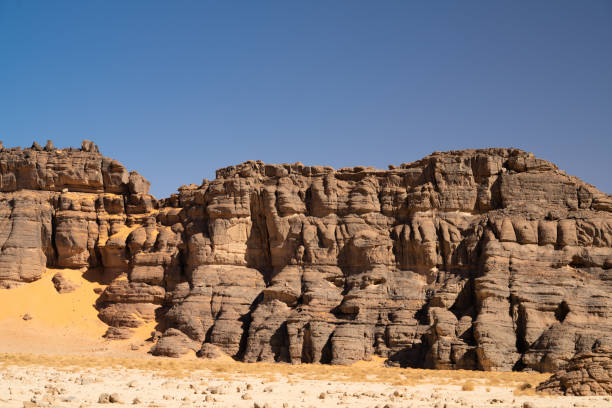
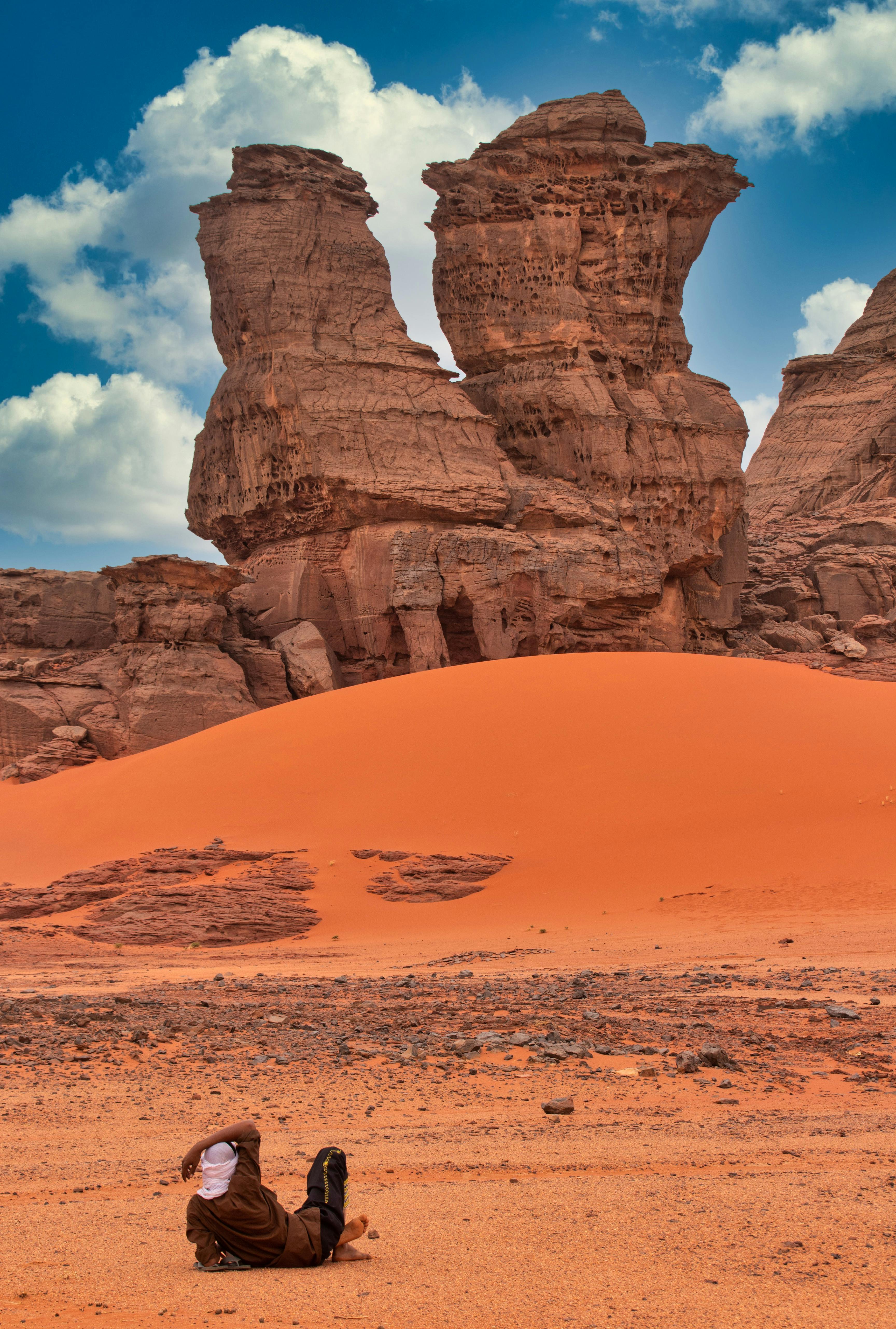
Prehistoric rock engravings in Tassili n’Ajjer, Algeria Ancient rock paintings and engravings in Tassili n’Ajjer, Algeria

Tassili n’Ajjer lies in southeastern Algeria, within the Illizi province. It is one of the most extraordinary prehistoric art sites in the world, with thousands of rock engravings and paintings dating back millennia. The site is renowned for its Open-Air Prehistoric Museum and was inscribed as a UNESCO World Heritage Site in 1982.

🌍 Location Highlights

Tassili spans about 70,000 km², featuring desert landscapes, sandstone formations, and deep valleys. It contains thousands of prehistoric rock engravings depicting daily life, animals, and human activities.

🎨 Art Before History

The rock paintings include over 15,000 prehistoric works, showing life of ancient humans and fauna in the Sahara. These artworks illustrate human evolution, hunting scenes, and social organization.

✨ Visiting Tassili n’Ajjer

A visit requires guidance due to the remote desert terrain. Local guides help navigate the canyons, explain the art, and ensure safety.

ℹ️ Visitor Information

Discover the prehistoric wonders of Algeria with DZtravelguide. Tassili n’Ajjer is an unforgettable open-air museum.

🌾 Wadi M’Zab – Amazigh Habitat in the Heart of the Algerian Sahara

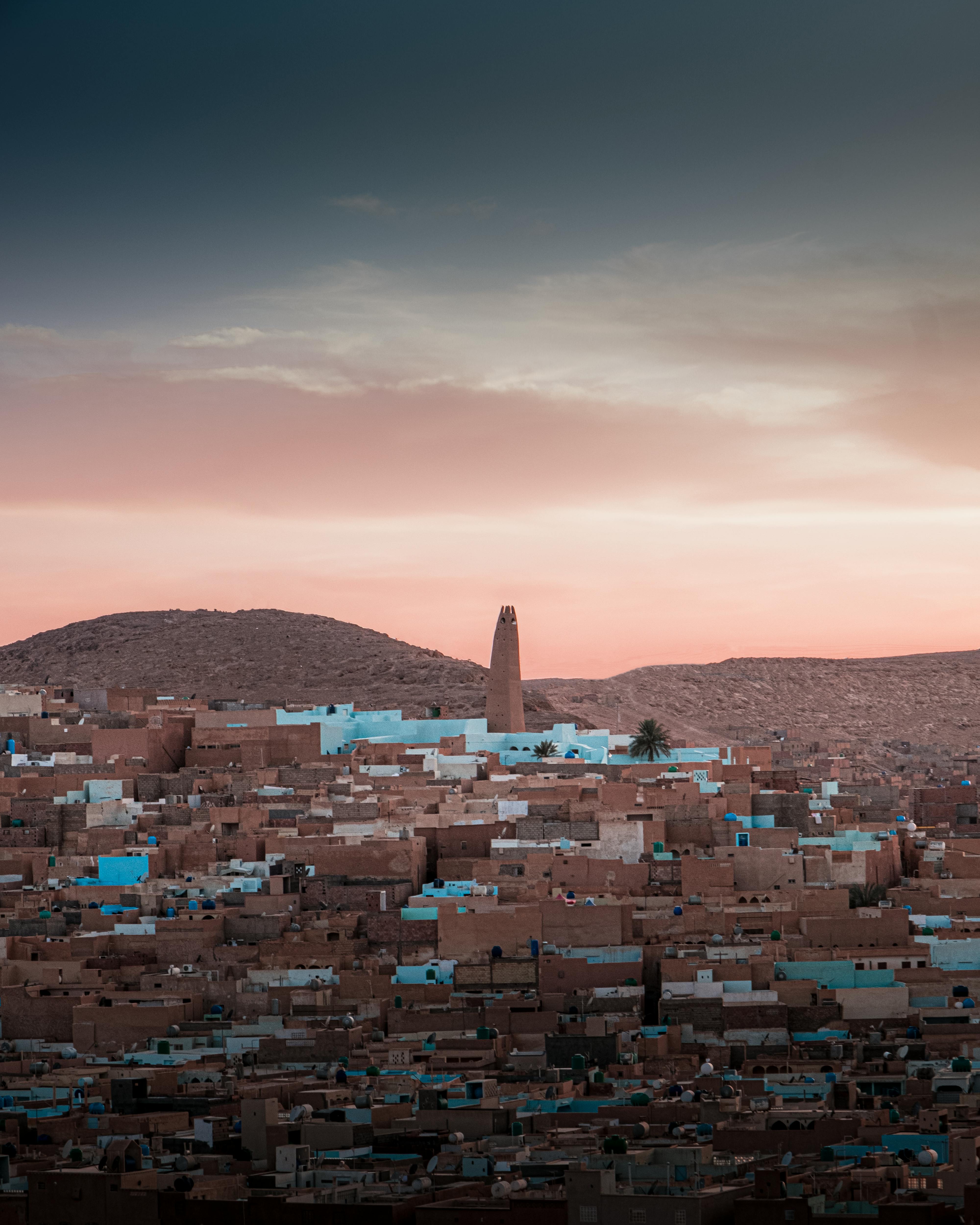
Traditional walled city in Wadi M’Zab, Ghardaia, Algeria Aerial view of fortified town in Wadi M’Zab, Ghardaia, Algeria

Wadi M’Zab is a valley in northern Ghardaia within the Algerian Sahara. It is home to Amazigh (Mozabite) communities, with cities and fortified towns featuring traditional architecture. It has been a UNESCO World Heritage Site since 1982.

🏛️ History & Architecture

The cities in Wadi M’Zab were constructed on plateau tops to ensure security. The urban design is highly functional, with the famous Pentapole including Ghardaia, Melika, Beni Isguen, Bounoura, and El Atteuf. Each city has mosques, souks, and communal buildings.

🏠 Life in Wadi M’Zab

Visitors can observe traditional Amazigh life, social organization, and architectural ingenuity. The valley shows how culture adapts to harsh desert conditions.

ℹ️ Visitor Information

Explore the Amazigh heritage of Algeria with DZtravelguide. Wadi M’Zab is a living historical landscape.

🌍 Tipaza – Roman Sites on the Mediterranean Coast

Roman ruins of Tipaza, famous archaeological site on the Algerian coast Majestic Roman remains in Tipaza, historic site of ancient Morocco

Tipaza, a coastal city located about 70 km west of Algiers, is famous for its well-preserved Roman ruins. It combines scenic beaches with a rich historical heritage, ranging from Phoenician settlements to Roman and Byzantine ruins. Listed as a UNESCO World Heritage Site in 1982.

🏛️ History of Tipaza

Tipaza started as a Phoenician settlement before becoming a thriving Roman city in the 1st century. The Romans built villas, a theater, a forum, and baths. After the Roman period, it was influenced by the Byzantines and experienced successive invasions by various civilizations.

🛕 Ancient Monuments

🌊 Beauty Between Sea and History

Tipaza stands out for its unique contrast between historical ruins and Mediterranean beaches. Visitors can explore the remains, relax on fine sandy beaches, or stroll along the coastline.

🗺️ Practical Information

Discover the ancient history between sea and heritage in Tipaza with DZtravelguide.

🏰 Qalaat Beni Hammad – First Islamic City in Algeria

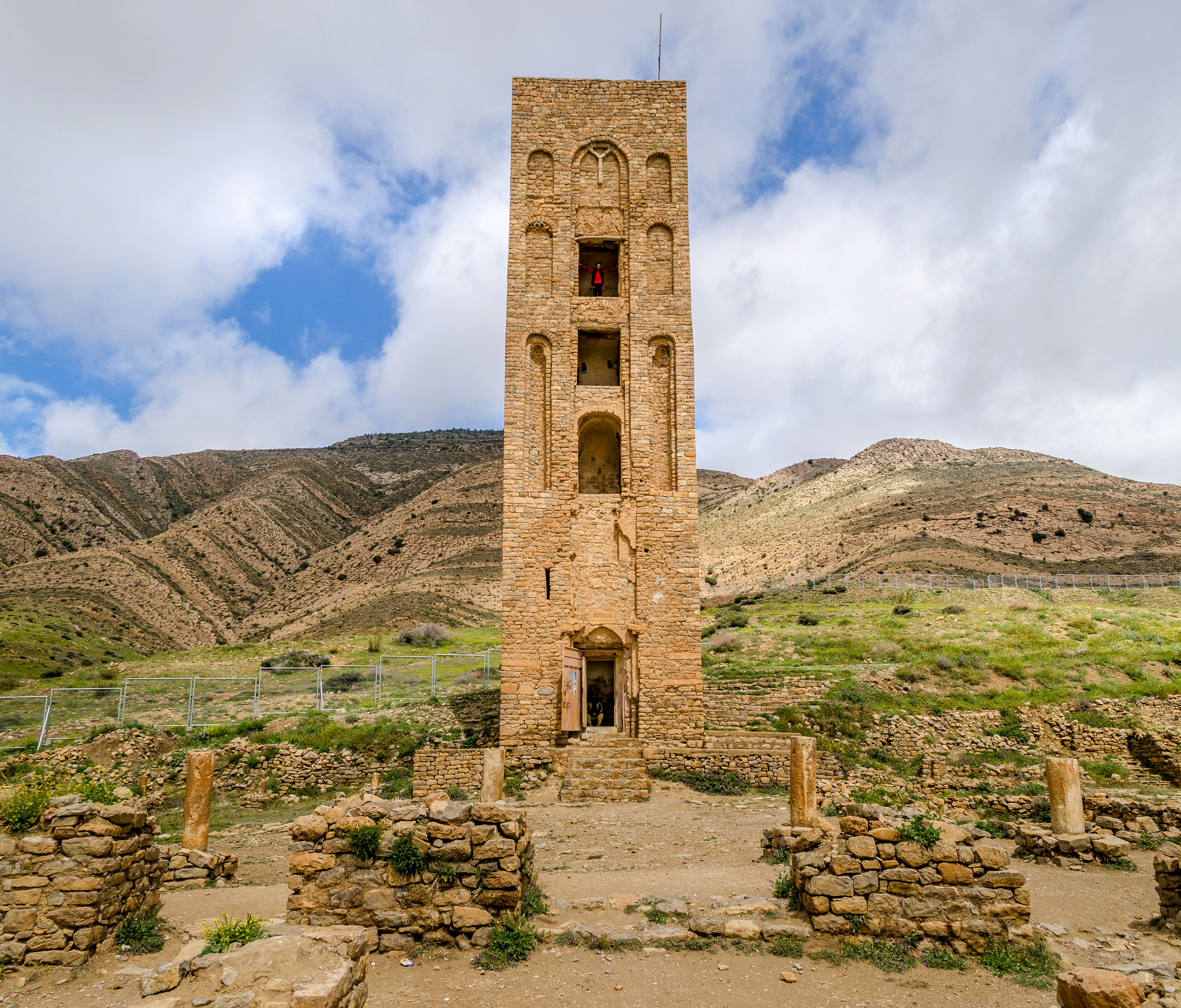
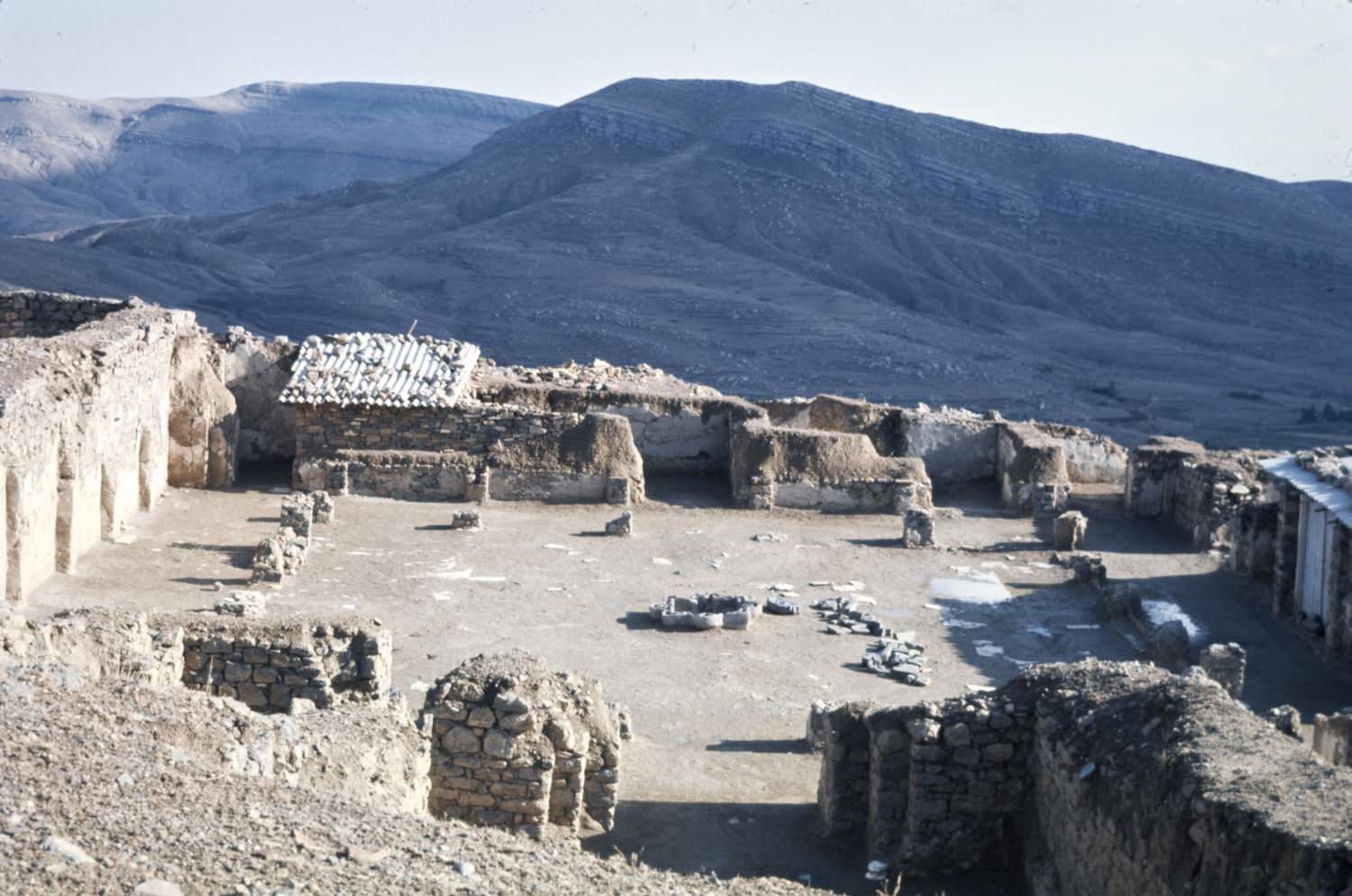
Ruins of the Great Mosque of Qalaat Beni Hammad, Islamic heritage site in Algeria Qalaat Beni Hammad ruins and its fortified walls in the mountains

Qalaat Beni Hammad is a fortified city in the mountains, considered one of the earliest examples of Islamic architecture in Algeria. Built near the Hammad River, it was founded in the 11th century, in 1007, and today is a prominent symbol of Algerian heritage.

🏯 Site and History

The city had 1007 houses and an important palace. The Great Mosque, the spiritual heart of the city, featured a tall minaret. The site perfectly illustrates medieval Islamic urban planning and architectural techniques.

Surrounded by mountains, the fortress offers breathtaking views. Visitors can explore the ruins, admire the walls, and discover the ingenuity of the ancient builders.

🕌 Key Monuments

📜 History and Architecture

Qalaat Beni Hammad demonstrates medieval Islamic architecture in Algeria, combining fortifications, palaces, and beautifully decorated mosques. Visitors can admire architectural details and period mosaics.

🗺️ Practical Information

Explore Algeria’s ancient Islamic heritage with DZtravelguide.