Algerian Culture
Language in Algeria
Algeria is a country where multiple languages are spoken, and its cultural heritage is very rich. The official language for documents and education is Arabic, but it is often used alongside French in administration and media. Berber (Tamazight) is also spoken, particularly in specific regions such as mountains, the Sahara, coastal cities, and rural villages.
In daily life, the Algerian population alternates between Arabic, Tamazight, and sometimes French or Spanish depending on the region. This creates a unique cultural blend. Historical foreign influences have also left marks on local traditions and daily life, while Algerian identity remains deeply rooted.
French, for example, is not an official language, but it remains widely used in writing, communication, and education. Consequently, many Algerians are bilingual or even trilingual, speaking Arabic, French, and sometimes Amazigh.
Cultural Base in Algeria
Algerian culture is rich and diverse, blending local traditions with foreign influences. There is a wide variety of customs and traditional clothing, spanning from the north to the south, and from coastal regions to the mountains. Each region has its unique practices, festivals, and arts.
Traditional Clothing
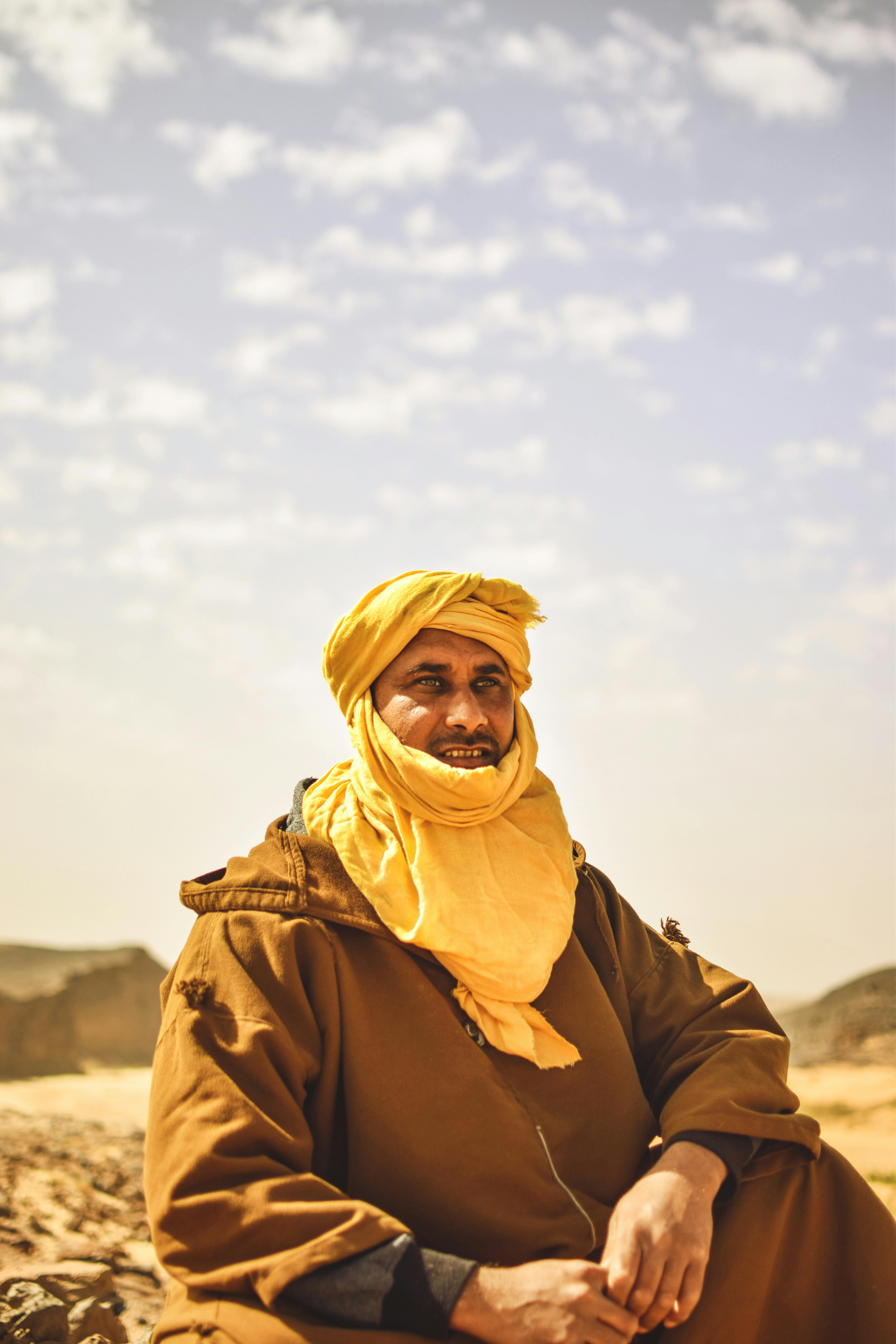
Traditional Algerian male clothing is simple yet elegant. Typical garments include the burnous, worn in the north and central regions, along with the Qechabia and other regional outfits. These clothes are worn during festivals, weddings, and local celebrations.
Female Clothing
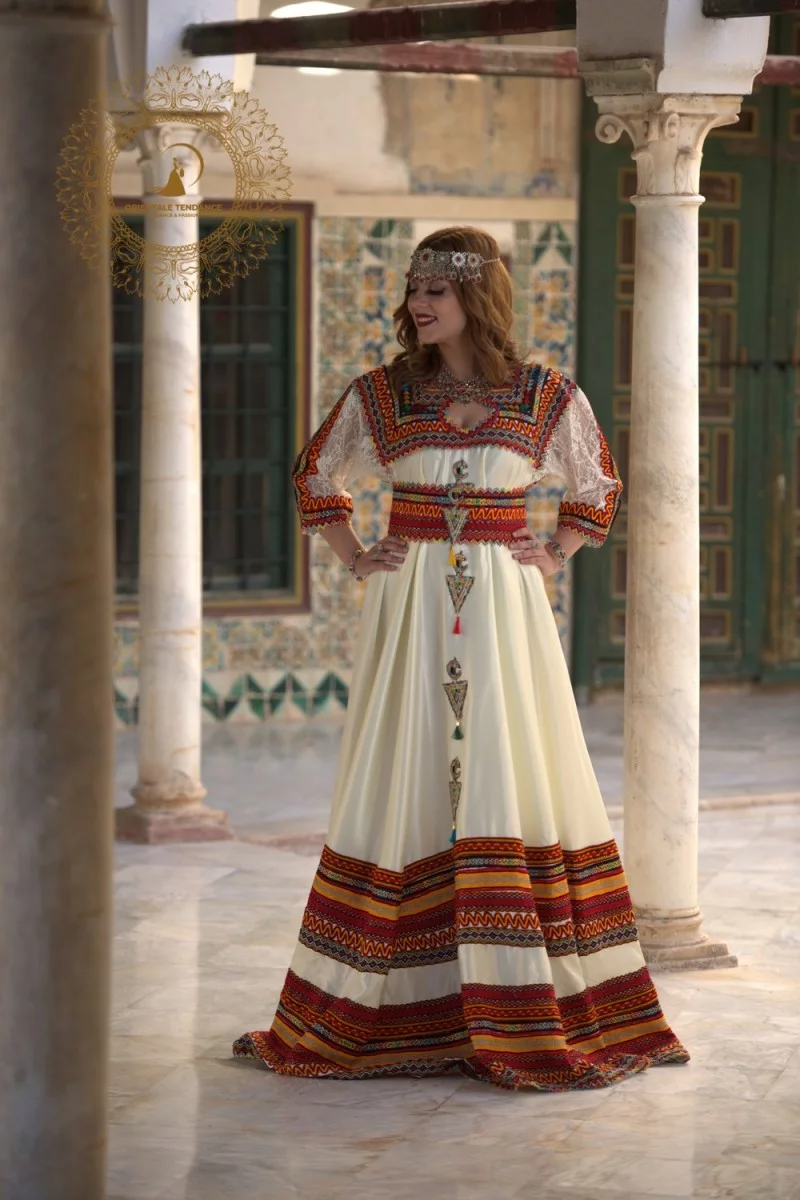
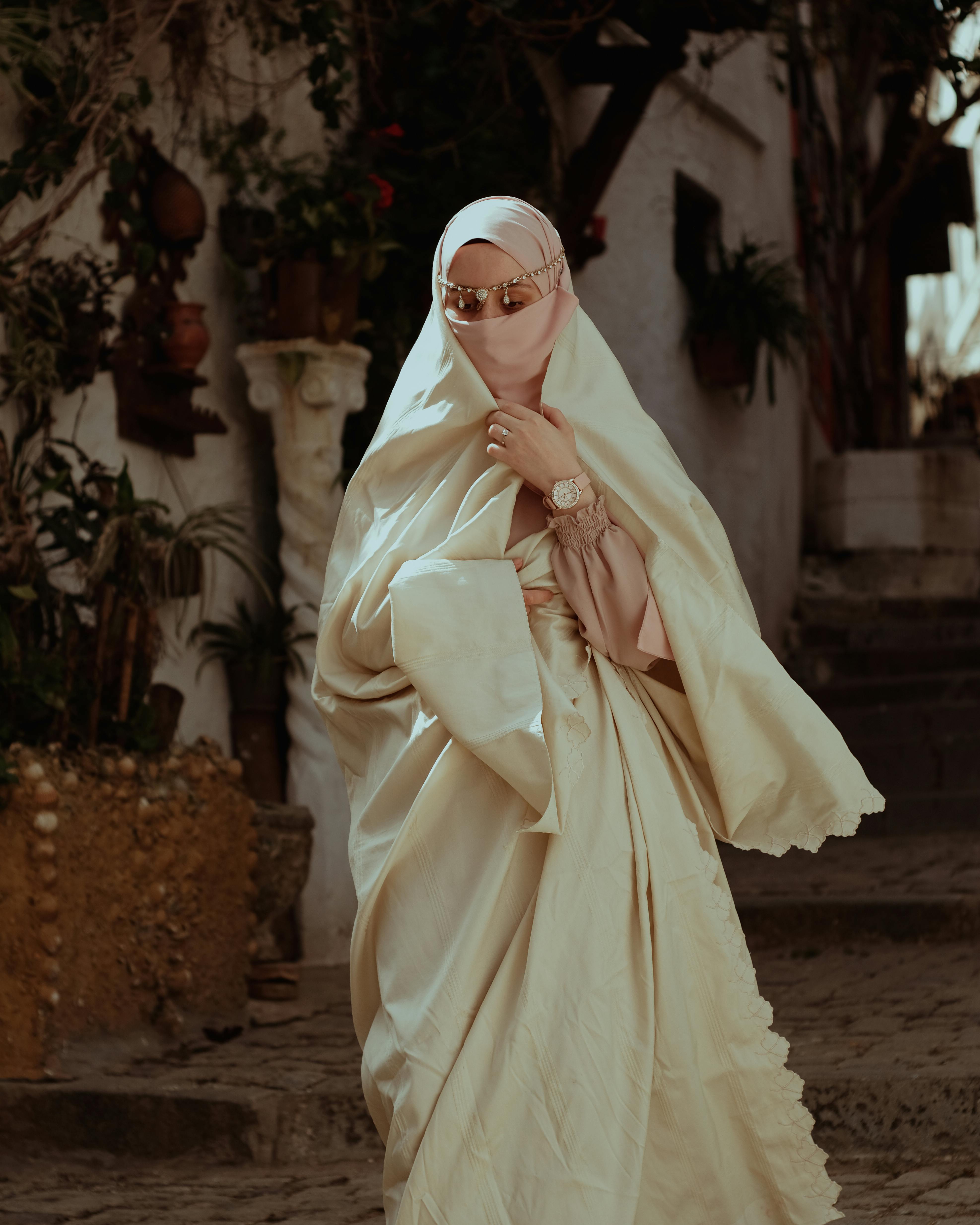
Women’s traditional clothing varies by region. The most known include blouza (hanbel), white haik, and jebba qbaylia. These garments reflect Algeria’s cultural heritage and local history, and are worn during festive occasions and important ceremonies.
Algerian Musical Instruments and Traditional Songs
Algerian music is distinguished by a variety of classical instruments, and the melodies reflect the country’s rich heritage. Each region has its own instruments, often played in social gatherings, celebrations, and ceremonies, creating a unique cultural rhythm that narrates the stories of its people and history.
Traditional Musical Instruments
Among the most famous traditional instruments is the Rai in western Algeria, especially in Oran and Saïda, which mixes Arabic and Spanish influences. From the Kabyle region, the Qasentini is widely known, while in the south, the Chaabbi Qbayli is famous. Other instruments like the Qasb and Andalusian Tarab are also played during social events.
Traditional Crafts and Algerian Folk Arts
Traditional crafts and folk arts in Algeria are not just decorative, they represent centuries of artistic heritage and creativity. These crafts vary from one region to another, reflecting local lifestyles, customs, and social values.
Algerian Folk Crafts
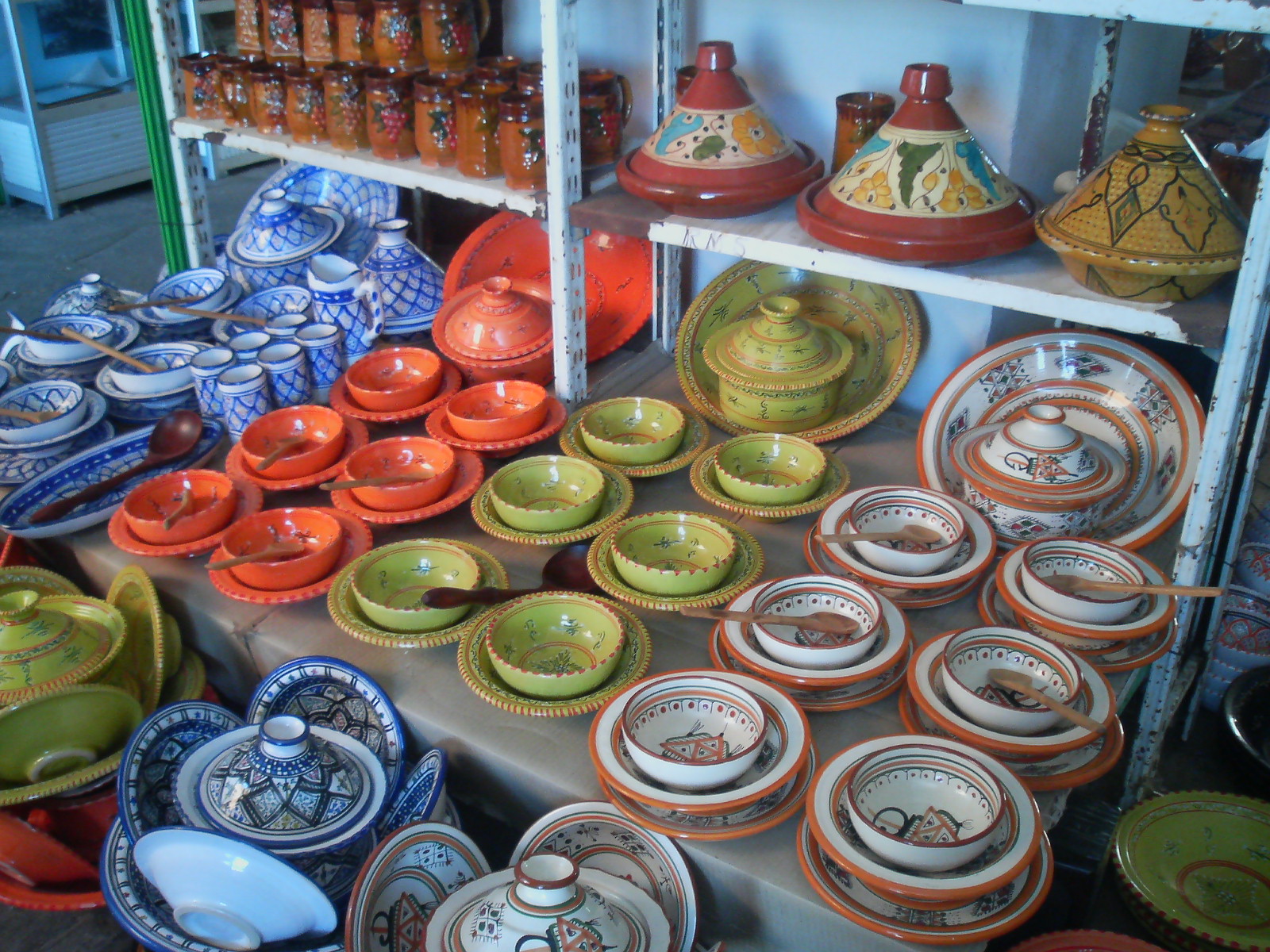
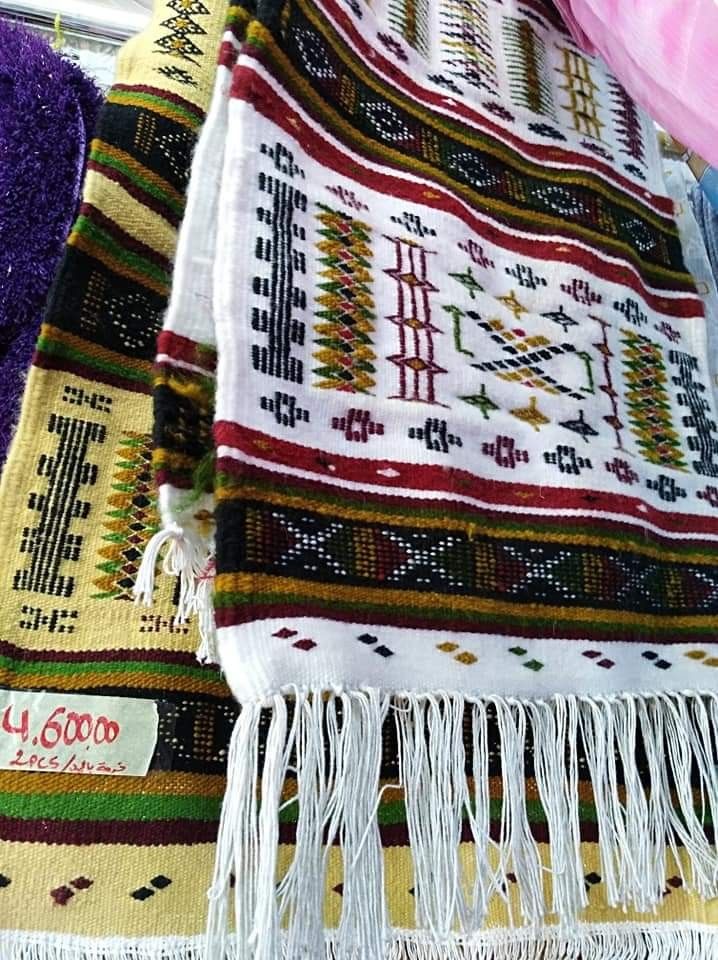
Among the most famous folk crafts are the hand-woven carpets, ceramics, and traditional jewelry produced in different regions such as Kabylie and Menaâsba. Each craft has its own unique style and reflects the creativity and skill of Algerian artisans. In northern cities, you can find hand-painted pottery and embroidered fabrics that show exceptional artistic talent and a connection to historical traditions.
Algerian Holidays and Traditions
Algerians celebrate multiple holidays and follow diverse traditions. These include national, religious, and local festivities, with customs that vary from one region to another. They reflect communal solidarity, respect for history, and social interaction.
Main Holidays and Celebrations
From the northern regions of Algeria come holidays such as El eid and Ashura, celebrated with local rituals and traditional dishes. In southern areas, the Amazigh New Year, celebrated on January 12th every year, includes family gatherings, traditional meals, and storytelling. Algerian national holidays are also important, where people participate in parades, public festivities, and cultural events.